This Black History Month, the IWGB remembers Professor Jason Arday, whose tragic death highlights the devastating consequences of the racialised scrutiny and vilification faced by Black people in public life.
In the weeks before his death, Arday faced intense media scrutiny of his career and personal life, which his family described as a campaign of sustained abuse and public cruelty. We recognise the racial double standards that shaped his treatment compared with white academics facing serious allegations. The injustice of his public persecution only grew sharper this week when he was cleared of plagiarism by another institution, the scientific publisher Taylor & Francis.
When Black communities are repeatedly targeted by hostile media narratives, political rhetoric and state action, fear and silence can take over. Members of the IWGB have expressed discomfort about speaking to the media in the wake of what happened to Jason Arday. Nobody should have to weigh the risks of public humiliation, racialised scrutiny or further targeting simply to speak out about their experiences.
The vilification of people of colour in the press fuels anti-immigrant hostility and divides working-class communities. We experience the consequences through racial profiling, workplace discrimination and everyday abuse.
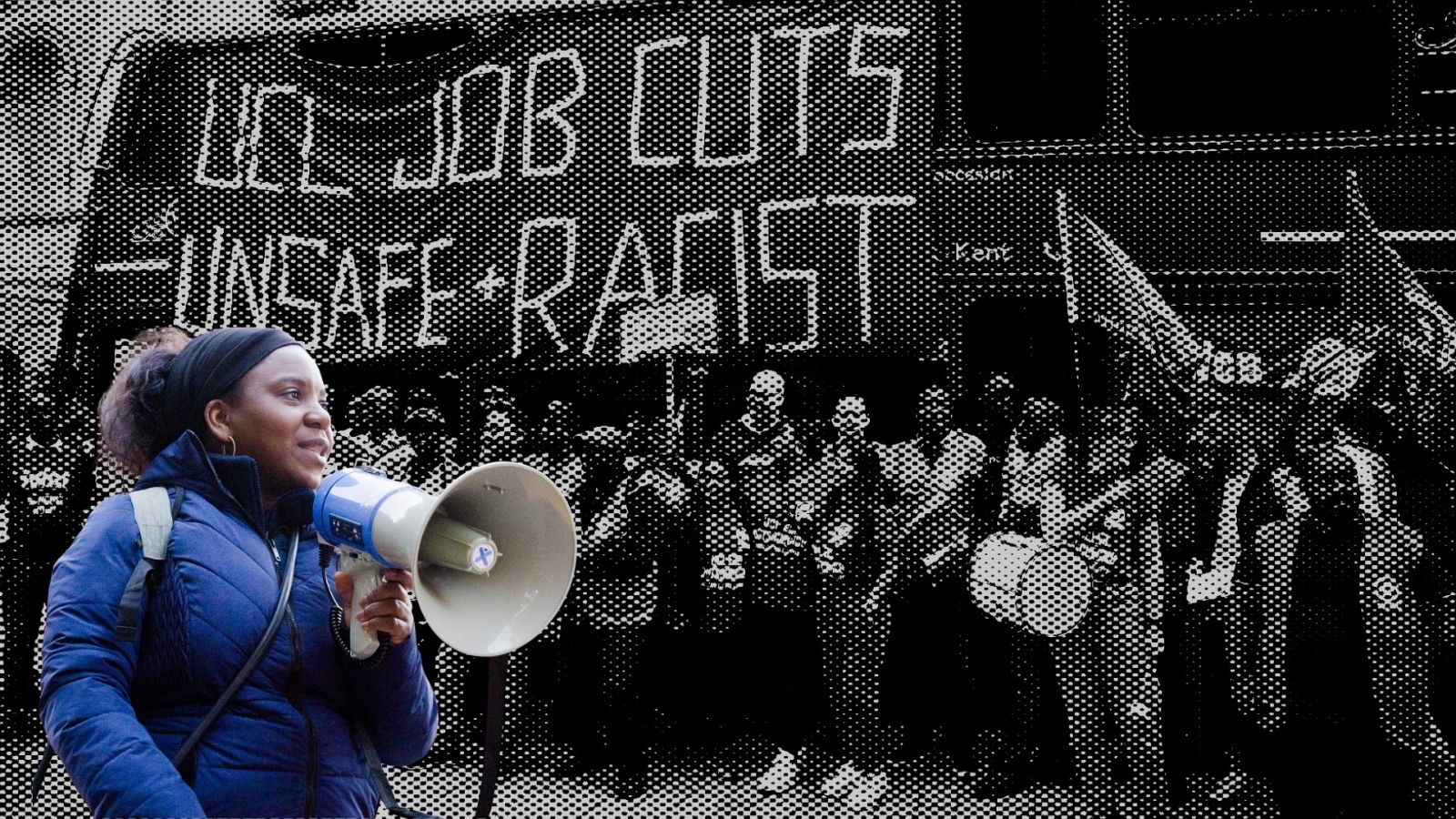
Black workers are disproportionately affected by exploitative outsourcing practices that entrench inequality and insecurity. Across numerous workplaces, the IWGB has campaigned against racist two-tier systems that leave outsourced workers, disproportionately people of colour with worse pay, terms and conditions than their directly employed colleagues.
Throughout the gig economy, delivery riders, private hire drivers and other precarious workers face systems that leave them vulnerable to exploitation, discrimination and abuse. Couriers subjected to racial profiling under the guise of insurance checks can find themselves exposed to immigration scrutiny, turning routine workplace encounters into sources of fear and intimidation.
Racism also operates on an individual level. Workers face discriminatory treatment from managers, while delivery riders and private hire drivers endure racial abuse from customers and passengers simply for doing their jobs. These experiences may happen away from the public spotlight, but they are no less serious. They are part of a wider pattern in which Black workers are too often treated as less deserving of dignity, fairness and protection.
The IWGB stands against racism in all its forms: from the institutional practices that keep Black workers in insecure and exploitative employment, to the racial profiling, workplace discrimination and everyday abuse they face. We stand for dignity, solidarity, fair treatment and accountability without prejudice. We stand with workers who are too often ignored, targeted or made afraid to speak.
This Black History Month, we extend our condolences and solidarity to Jason Arday’s family, friends, colleagues and loved ones. We reaffirm our commitment to fighting systemic racism, challenging institutions that perpetuate inequality, and building a labour movement in which every worker can speak out, organise, and live without fear.